
The Plant-Based Protein Revolution
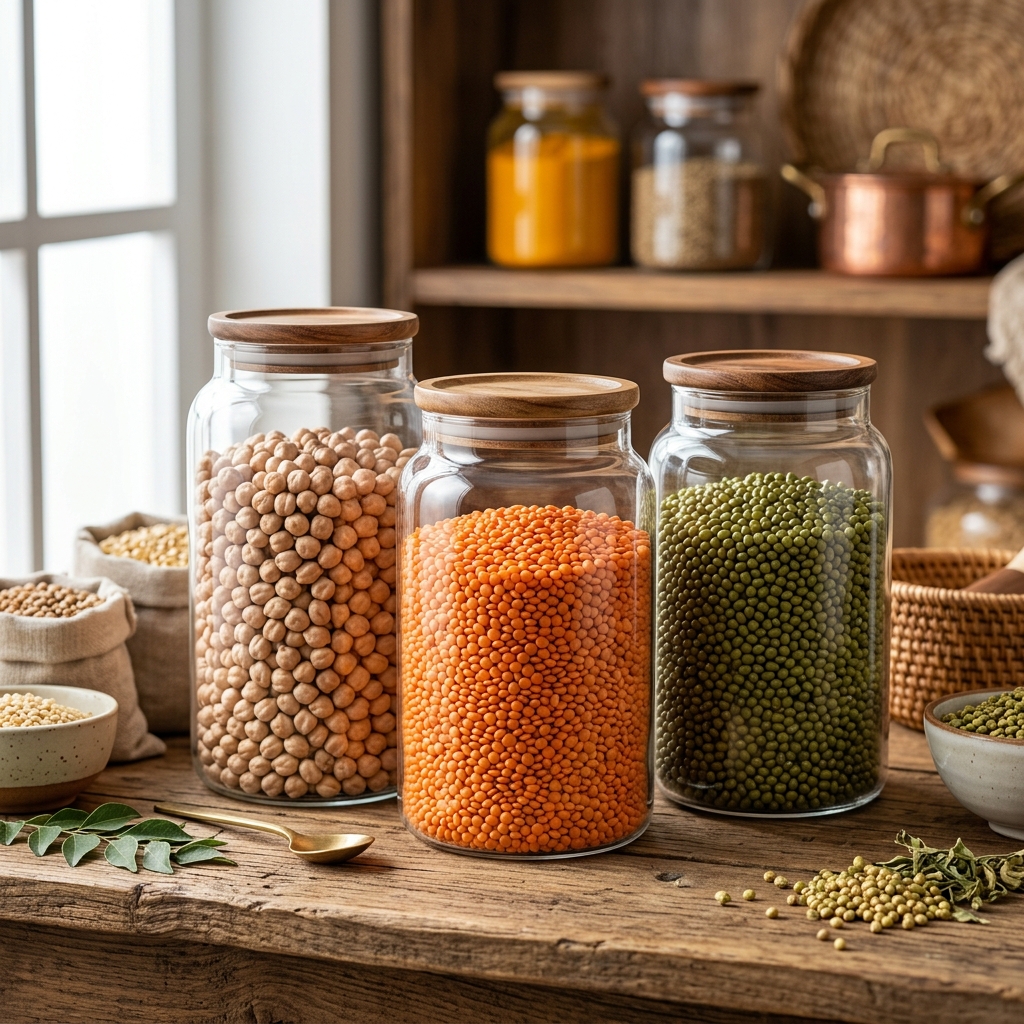
The global food landscape is undergoing a massive shift towards plant-based protein. India, as the world's largest producer and consumer of pulses, is perfectly positioned to supply this growing market. Products like Red Lentils (Masoor Dal) and Kabuli Chickpeas Large are at the forefront of this export surge.
While India consumes the vast majority of its own pulse production domestically, its enormous cultivation base, spread across diverse growing regions and harvest cycles, still leaves substantial volume available for export, particularly for varieties like Kabuli chickpeas that are heavily sought after in Middle Eastern and Mediterranean cuisine.
Nutritional Powerhouses
Pulses are not only rich in protein but also high in dietary fiber, iron, and folate. The FAO recognizes pulses as a critical component of sustainable agriculture because of their nitrogen-fixing properties, which improve soil health.
Processing for Export
To meet international standards, Indian pulses undergo rigorous Sortex cleaning, polishing (if required), and grading. This ensures uniform size and the complete removal of foreign matter, making them ready for retail packaging or industrial processing (like hummus production).
Understanding Pulse Varieties and Their Uses
Red lentils, known as Masoor Dal, are prized for their quick cooking time and tendency to break down into a smooth texture, making them popular in soups, dals, and baby food formulations. Kabuli chickpeas, distinguished by their larger size and lighter color compared to desi-type chickpeas, are the preferred variety for hummus production, roasted snacks, and canned chickpea products sold in Western retail markets.
Other Indian pulse exports include Bengal gram, black gram, and pigeon peas, each with distinct culinary applications across South Asian, Middle Eastern, and increasingly Western plant-based food formulations as manufacturers seek diverse protein sources beyond soy.
Meeting International Import Requirements
Importing countries often require fumigation certificates and proof of pest-free storage, since pulses are susceptible to weevil infestation if not stored under controlled conditions. Many buyers also request testing for pesticide residue limits, which vary by destination market, making it important for exporters to maintain updated knowledge of evolving regulatory thresholds in key markets like the EU, where maximum residue limits are reviewed and adjusted periodically.
Why India Remains the World's Leading Pulse Supplier
India's varied agro-climatic zones allow simultaneous cultivation of multiple pulse varieties across different growing seasons, giving the country a near-continuous harvest cycle that supports consistent export availability throughout the year. Combined with an extensive network of Sortex processing facilities built up over decades to serve both domestic and export markets, Indian pulse exporters can typically fulfill large container or multi-container orders on shorter lead times than producers in regions with more limited processing infrastructure.
Source high-protein pulses from our Seeds & Pulses catalog.