
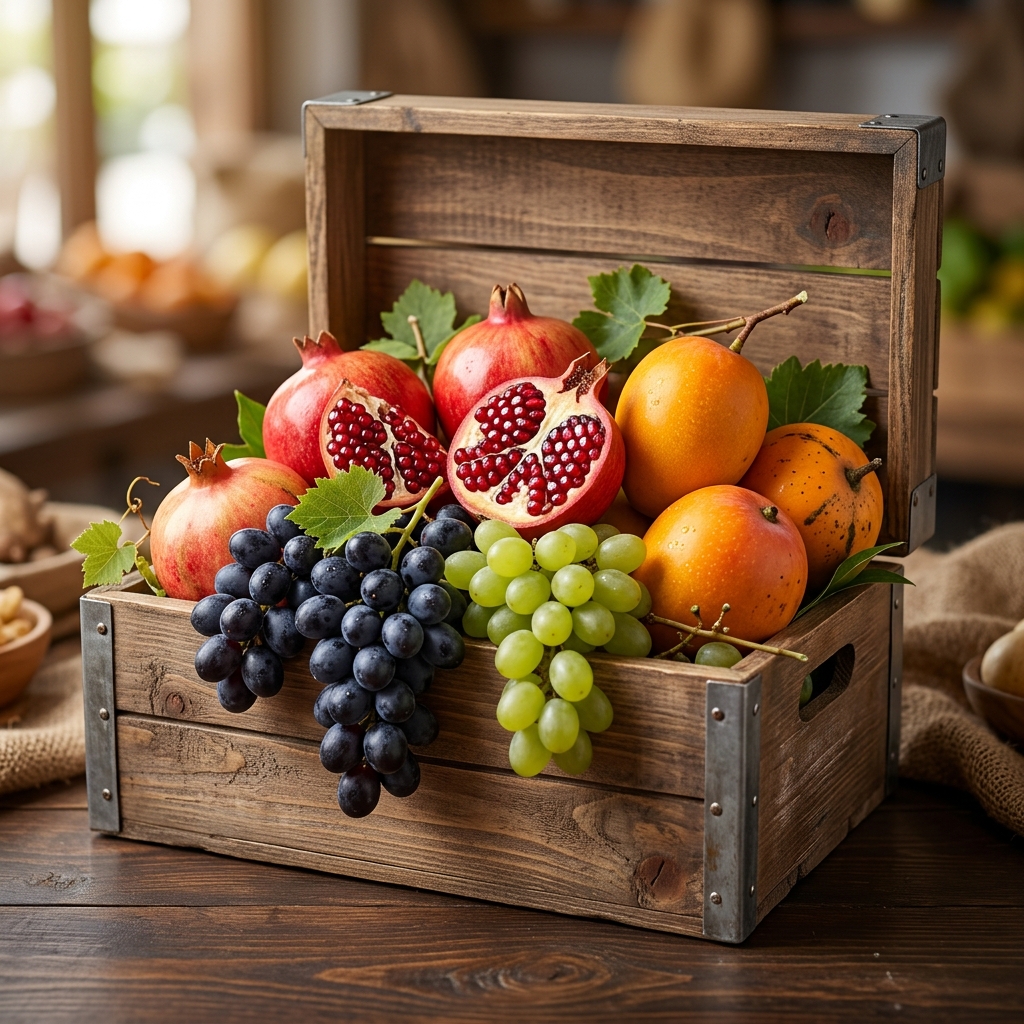
Delivering Freshness Across Borders
Exporting fresh produce requires a flawless cold-chain logistics network. India has made massive strides in agricultural infrastructure, enabling the export of delicate fruits like Alphonso Mangoes and Fresh Grapes to markets in the Middle East, Europe, and Asia.
Unlike processed or dried agricultural exports, fresh produce gives exporters a much narrower margin for error. Every link in the supply chain, from harvest timing to the final mile of delivery at destination, directly affects whether the product arrives in saleable condition, which is why investment in cold-chain infrastructure has become a defining competitive factor among Indian fresh produce exporters.
The Cold Chain Advantage
From pre-cooling at the farm gate to temperature-controlled shipping containers (reefers), maintaining the exact temperature is crucial. For instance, Fresh Pomegranates are stored at 5°C to preserve their ruby-red arils and extend shelf life for sea freight.
Each fruit variety has its own optimal storage temperature and humidity profile. Alphonso mangoes, for example, require precise ripening control, often harvested at a specific maturity stage and allowed to ripen in controlled-atmosphere chambers en route to ensure they reach the buyer at peak eating quality rather than over-ripe or under-ripe on arrival.
Phytosanitary Compliance
To access international markets, all fresh produce must clear strict phytosanitary checks. This ensures the fruits are free from pests and diseases, complying with international plant protection conventions recognized by the FAO.
Choosing Sea Freight vs. Air Freight
The choice between air and sea freight for fresh produce depends on the fruit's perishability, the buyer's target market, and cost considerations. Highly delicate items with shorter shelf lives, such as certain berry varieties, often justify the higher cost of air freight to preserve quality, while hardier fruits like pomegranates and select mango varieties can tolerate the longer transit times of sea freight when properly pre-cooled and stored in calibrated reefer containers, offering significant cost savings on large-volume orders.
Vapor heat treatment and hot water dip treatments are also commonly applied to mangoes destined for markets like the United States and Japan, which require specific pest disinfestation protocols before fresh produce is permitted entry.
Building Reliable Fresh Export Partnerships
Because fresh produce quality can vary significantly between harvest seasons and even individual growing plots, working with an exporter who maintains direct farm relationships and conducts pre-harvest quality assessments helps buyers reduce the risk of receiving inconsistent shipments. Reliable exporters also provide real-time temperature logging throughout transit, giving importers visibility into the cold chain's integrity from farm gate to final delivery.
Seasonal Availability and Planning Ahead
Unlike processed agricultural products available year-round, fresh fruit exports follow strict seasonal windows tied to harvest timing, with Alphonso mangoes typically available from April through June, grapes from January through April, and pomegranates spanning a longer window depending on the variety. Importers working with seasonal fresh produce typically plan purchasing schedules and secure freight capacity well in advance of the harvest window, since reefer container availability and air freight cargo space can become constrained during peak export months when multiple exporters are competing for the same logistics resources.
Discover our range of export-ready Fresh Exports.