Powering Global Livestock
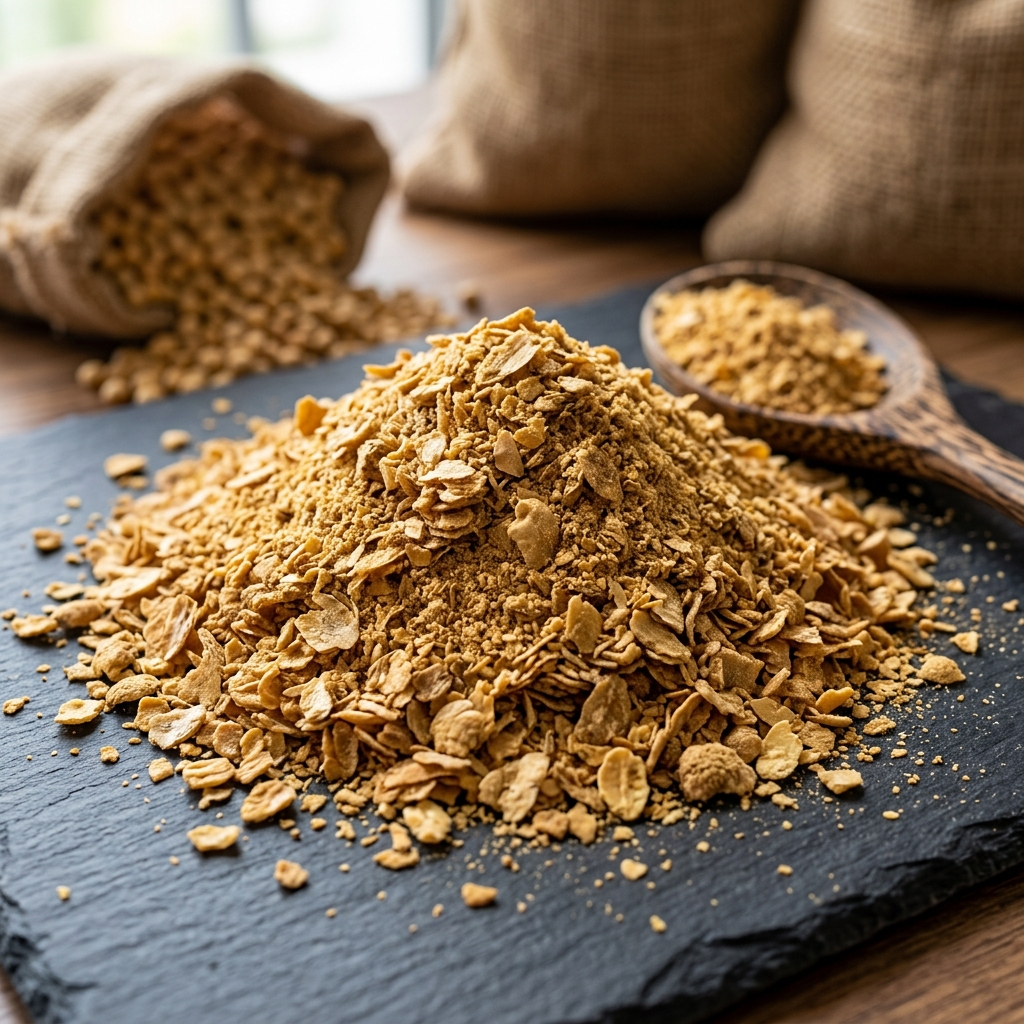
As the global demand for dairy and poultry increases, so does the demand for high-quality protein sources in animal feed. India has emerged as a key player, especially with its Non-GMO Soybean Meal, which offers superior digestibility compared to many other origins.
India's soybean is grown predominantly without genetic modification, a distinction that has become increasingly valuable as feed manufacturers in the EU and other regulated markets face growing consumer and regulatory pressure to source verified Non-GMO ingredients throughout the animal protein supply chain.
Key Feed Ingredients from India
- Cottonseed Oil Cake: The ultimate choice for dairy cattle to increase milk fat percentage.
- Yellow Maize: The energy backbone for poultry broiler and layer feed.Check our Yellow Maize.
- Rapeseed Meal: A cost-effective protein alternative for the aquaculture industry.
Market Outlook
The shift toward sustainable and ethical farming is driving the demand for traceable, Non-GMO ingredients. According to the FAO (Food and Agriculture Organization), efficient feed management is crucial for the future of food security. India's vast agricultural output is uniquely positioned to meet this need.
Quality Parameters Buyers Should Evaluate
When sourcing animal feed ingredients, importers typically evaluate protein content, fiber levels, and the presence of anti-nutritional factors that can affect livestock digestion and growth performance. Soybean meal protein content generally ranges from 44% to 48% depending on the processing method, with solvent-extracted meal typically offering higher protein concentration than expeller-pressed alternatives.
Moisture content is another critical specification, since feed ingredients with excess moisture are prone to mold growth and mycotoxin contamination during storage and transit, a risk that responsible exporters manage through controlled drying and regular aflatoxin testing before shipment.
Supporting the Global Feed Supply Chain
Beyond protein meals and grains, Indian exporters increasingly offer custom feed ingredient blends formulated to specific nutritional targets requested by international buyers, allowing feed mills to streamline their formulation process. Bulk shipping via vessel, supported by proper fumigation and pest control documentation, remains the standard method for large-volume feed ingredient orders, while smaller buyers can access flexitank or container-based shipments for more flexible order quantities.
Documentation Required for Feed Ingredient Imports
Importing animal feed ingredients typically requires a phytosanitary certificate confirming the shipment is free from regulated pests, a certificate of analysis covering protein, fiber, and moisture content, and in many markets a Non-GMO declaration supported by laboratory testing. Buyers in the EU and similar regulated markets often also request documentation confirming the absence of genetically modified organisms at the molecular level, a standard Indian Non-GMO soybean exporters are increasingly equipped to provide through accredited third-party testing labs.
Working with an exporter experienced in navigating these documentation requirements helps reduce the risk of shipment delays at customs, which can be costly for feed manufacturers operating on tight production schedules tied to livestock feeding cycles.
Check our Animal Feed section for technical specifications and bulk orders.